Camilla
Bodywork
For bodies under pressure.
[Approach]
The body is
always
communicating
Pain rarely exists in isolation. Patterns in movement, posture, breath and tension can reveal what is contributing to discomfort—and where to begin.
Context
History, habits, activity, and daily demands help put discomfort in context.
Patterns
Movement patterns and compensations can reveal connections that symptoms alone may not.
Response
How your body responds to hands-on work helps guide what comes next.
[Your Session]
What to
expect
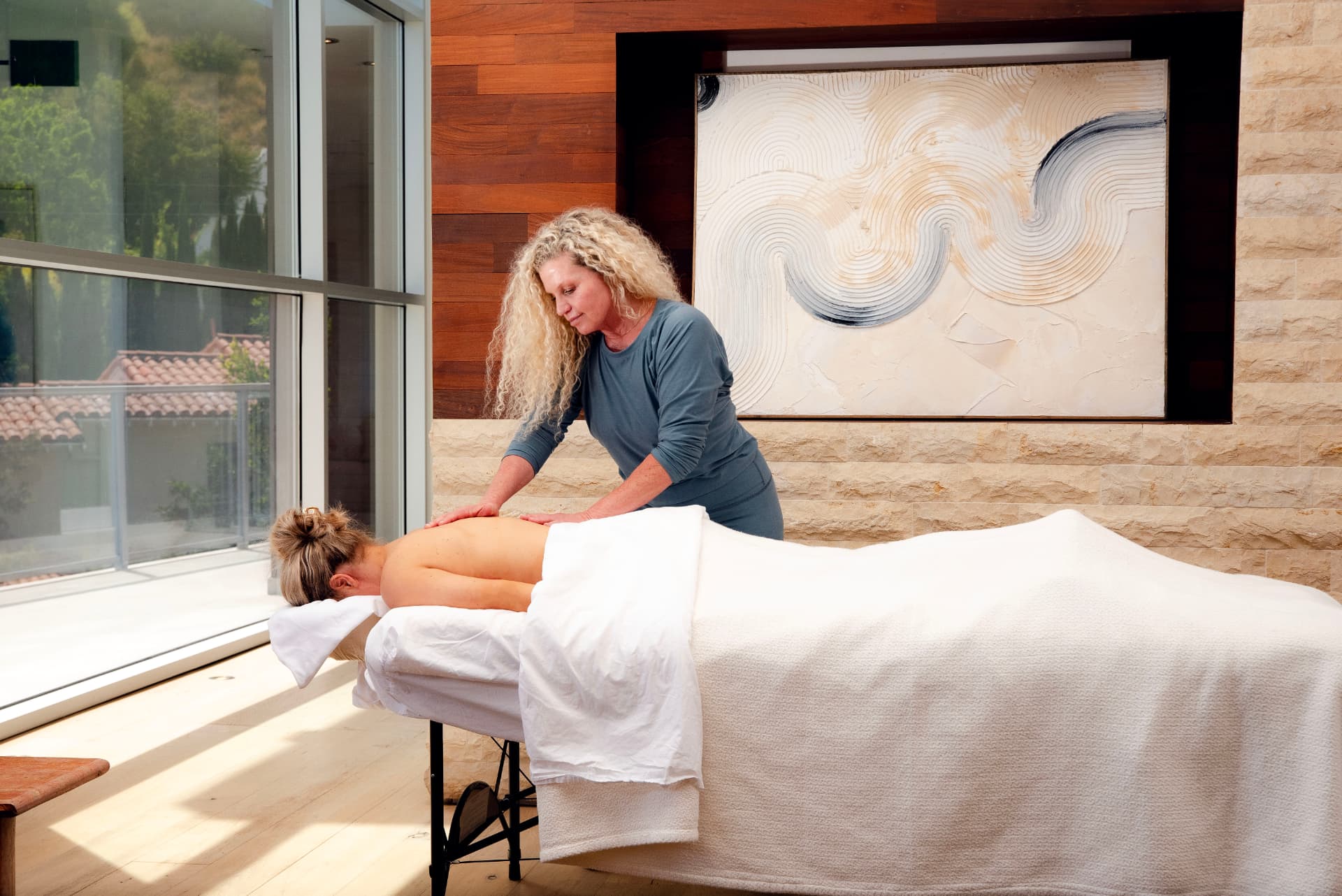
Sessions are structured, but never scripted.
- 01
Conversation
We begin with what brought you in, what has changed, and what you'd like to address.
- 02
Assessment
Movement and hands-on assessment help clarify where focused work may be more useful.
- 03
Treatment
The work is guided by what we find and how your body responds.
- 04
Next Steps
You leave knowing what we addressed and whether continued work may be helpful.
[Experience]
Practice
shapes
perspective
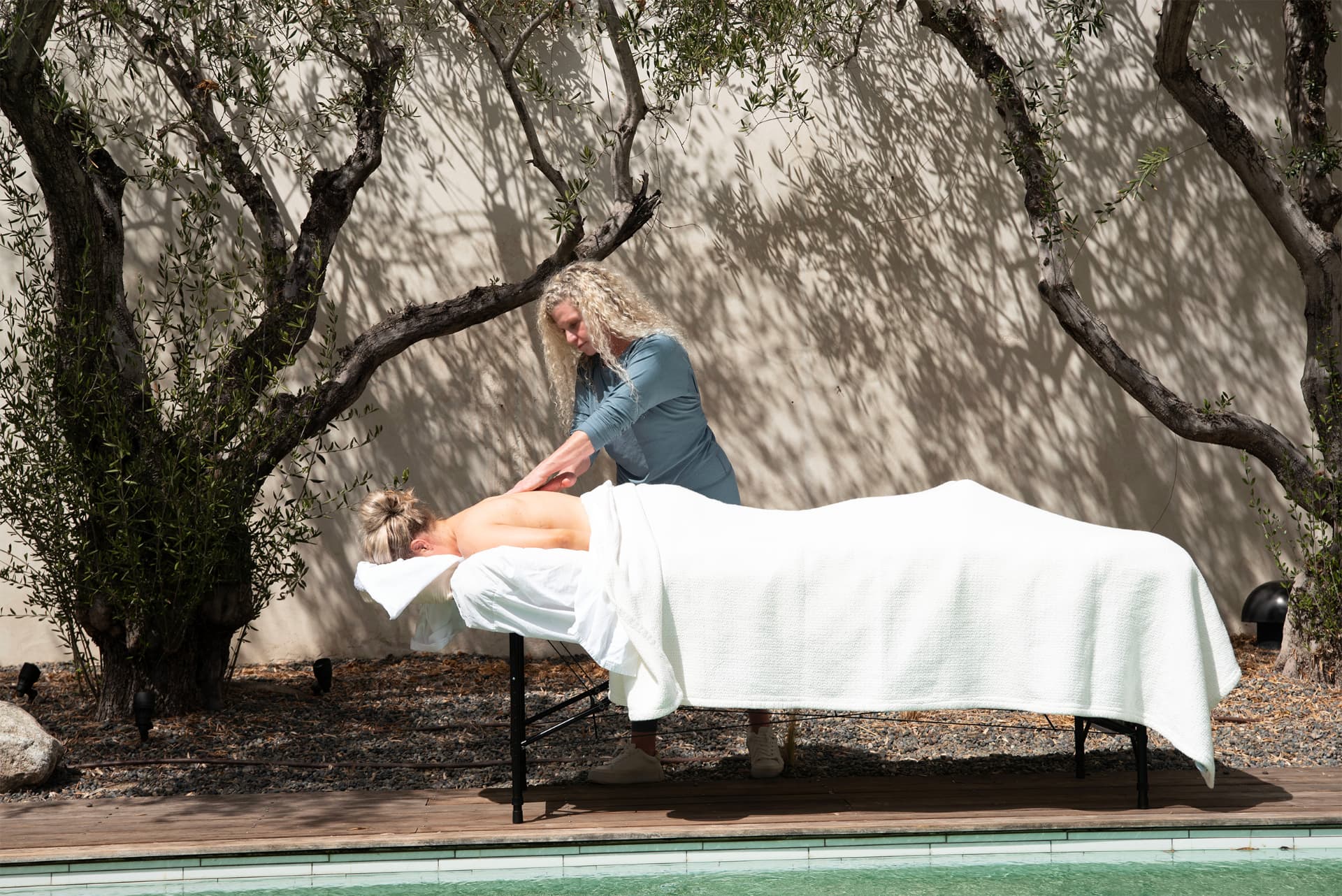
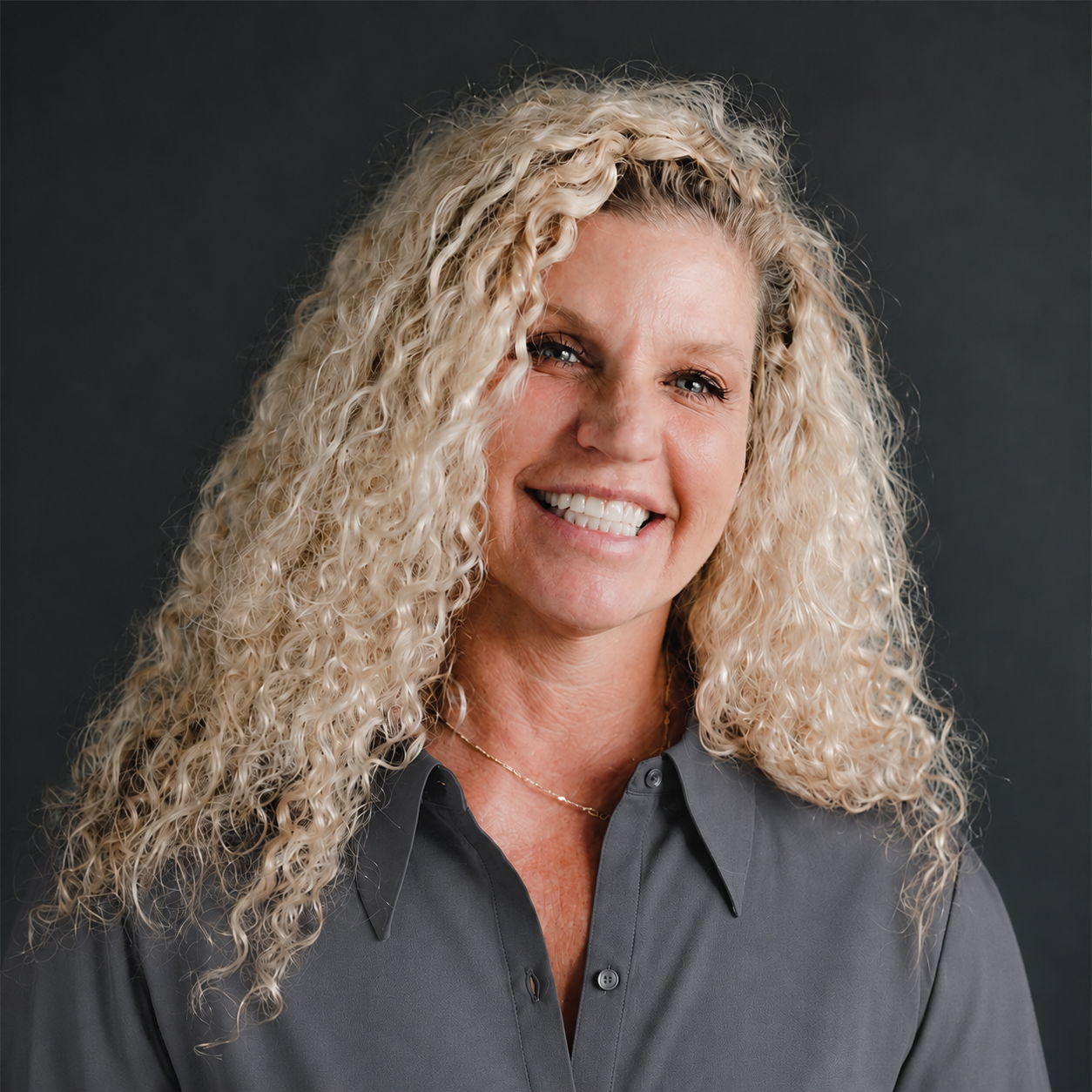
Experience is as much about judgment as technique: noticing what matters, setting aside what doesn't, and knowing when a different approach is needed.
[Questions]
Good to
know
What happens during my first session?+
We'll discuss your history, work, routines, and activities. We'll observe how you move, may guide you through a few simple movements, and adjust the hands-on work to your body's response. Afterward, we'll revisit your movement, note what's changed, and discuss any homework between sessions.
What concerns do you work with?+
We work with people whose bodies are under sustained demand—professionals, athletes, and others dealing with stress-related tension, overuse, pain, or restricted movement. This often includes neck and shoulder tension, low-back and hip restriction, and strain from work, training, or sport.
How often should I book?+
Frequency depends on what we find and how your body responds. Significant pain or injury may call for weekly sessions at first; others may do well every other week or eventually move to monthly. We recommend at least twice a month for ongoing benefits.
Which session should I book?+
Choose 55 minutes for a focused concern or a shorter introduction, 85 minutes for a more complete session, and 115 minutes when you would like additional time for multiple areas or more extensive work.
What should I wear?+
Wear whatever you like to your appointment. Form-fitting clothes can help us observe how you move, but they’re not required. You’ll have privacy to undress to your comfort level, and professional draping is used throughout the session.
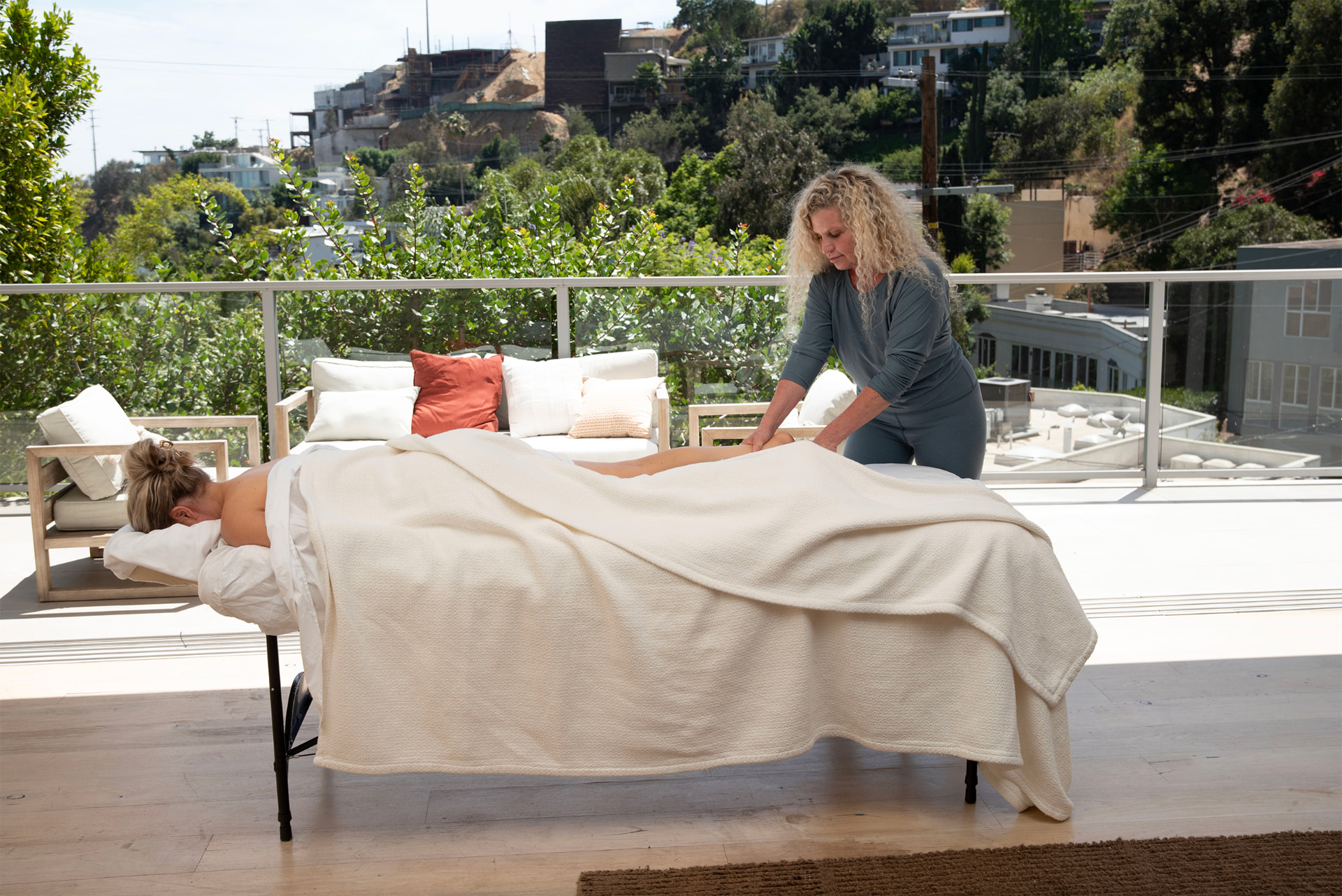
Do you offer in-home sessions?+
Yes. By request, we bring the same focused, individualized care to your home. Please include your location when inquiring about availability and travel rates.
Cancellations &
rescheduling
Please give at least 24 hours’ notice so your appointment time can be offered to someone else. Changes made within 24 hours are subject to a fee of 50% of the session price. Missed appointments are subject to the full session price.